


Stahl Vision: Dayton's top LASIK and Cataract Surgeons for more than 30 years.
Stahl Vision
4235 Indian Ripple Rd, Dayton, OH
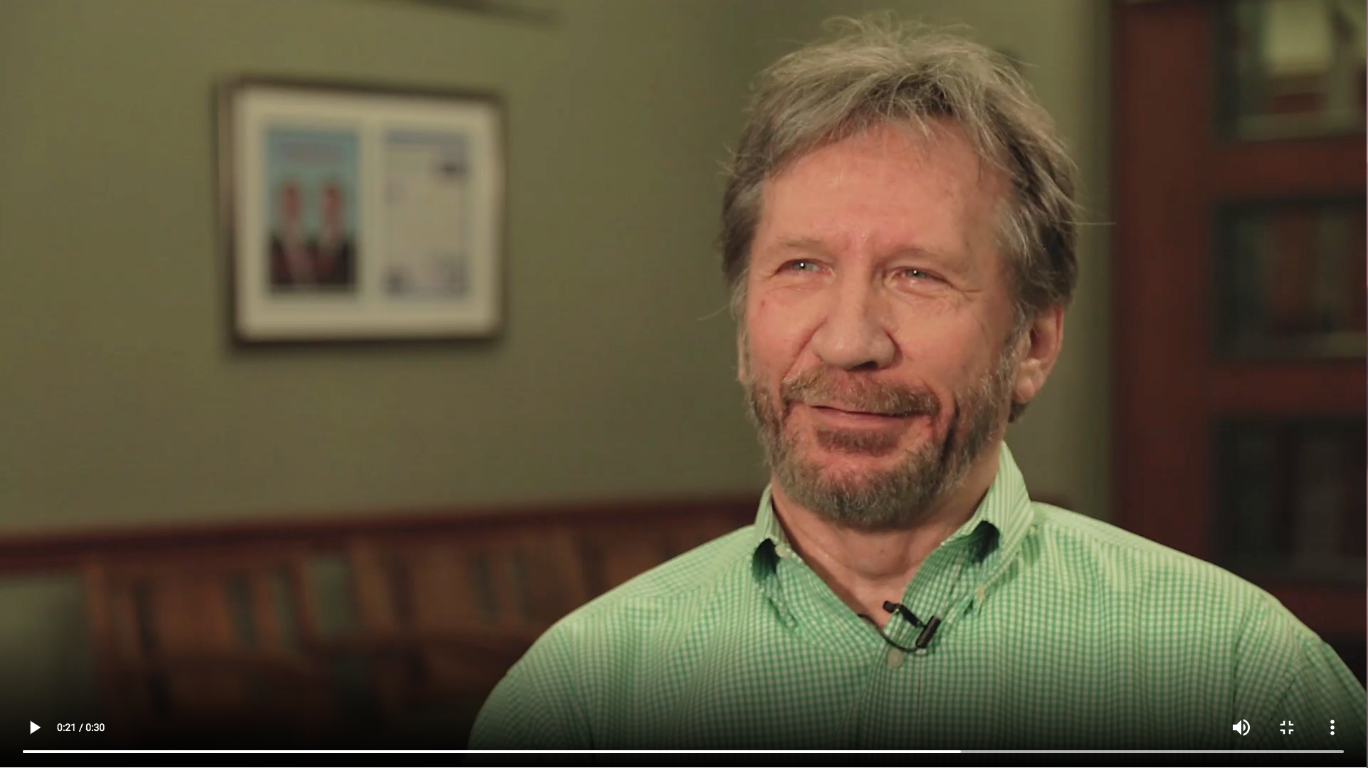
Glossary: Cataract Surgery is the removal of the natural lens of the eye and replacement with an Implant Lens or Intra-Ocular Lens (IOL) that helps to restore vision. Recent advances in implant lens technology have allowed doctors to develop bifocal/trifocal implant lenses such as the Symfony® and Panoptix® that can help patients regain near vision as well as distance vision. These 4th generation lenses have better near vision and improved sharpness with less night vision disturbance than prior generation lenses such as the ReSTOR® or Crystalens®.
More than 2 million people have cataract surgery each year, making it one of the most commonly performed surgeries in the United States. A Cataract occurs when the lens inside the eye becomes milky or cloudy. Once this happens, glasses are no longer able to help the eye focus. Eventually this cloudiness progresses to the point where cataract surgery is needed.
Common symptoms of a cataract include: night-time glare from headlights, difficulty driving with the sun low in the sky, difficulty reading fine print, and a muting of colors. The solution is to remove the cataract and place an implant lens in its place to restore the focusing ability of the eye.
The Cataract Surgery Procedure & Experience
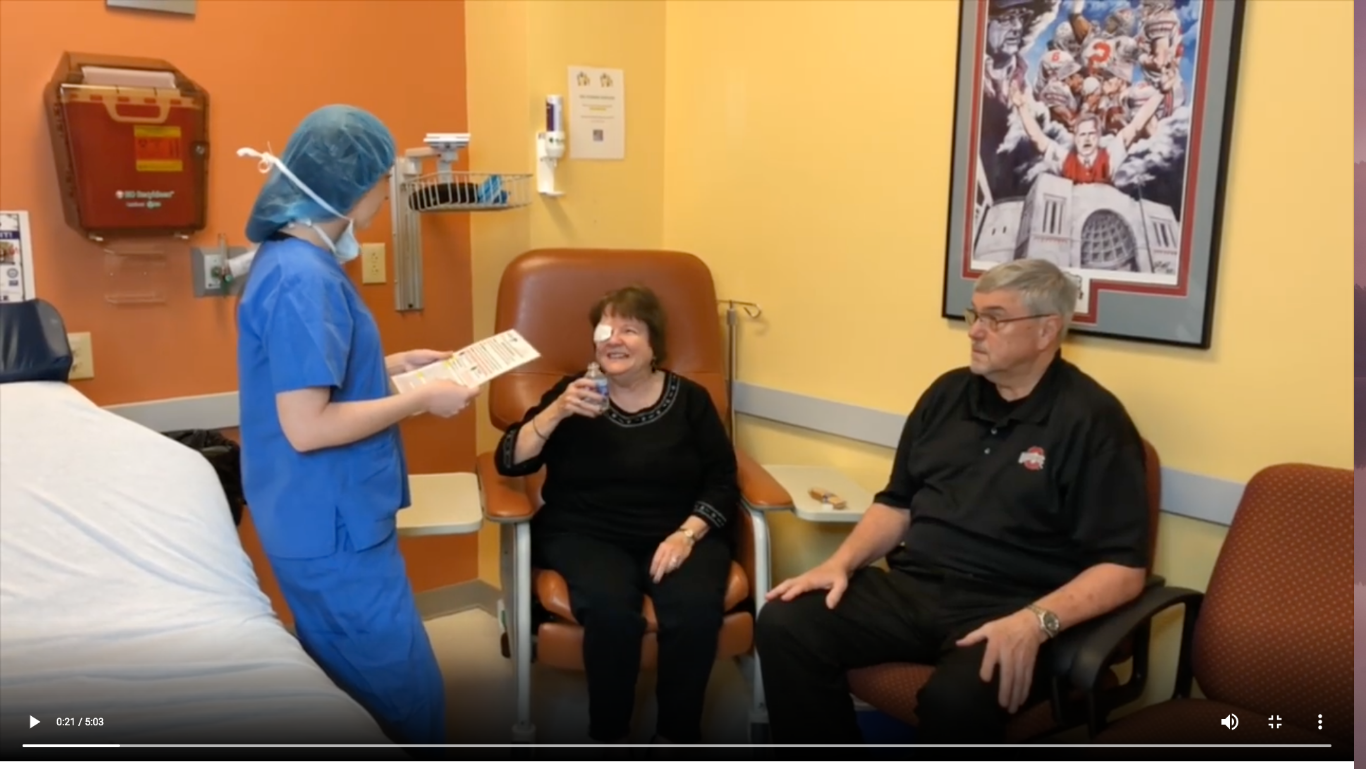
After a thorough cataract eye exam, our doctors will discuss planning and preparing for your eye surgery. Typically we do your worst eye first, and the other eye if needed a few weeks later. You will be measured for your implant lenses and receive a thorough history and physical a few days before surgery. Eye Laser and Surgery Center is where your surgery will take place—directly across the hall from our Stahl Vision Clinic. Upon your arrival at the surgery center you will be given a mild sedative, and drops will be put in your eye. You will need a driver for the day of your surgery, and plan on being at the center for 2 hours.
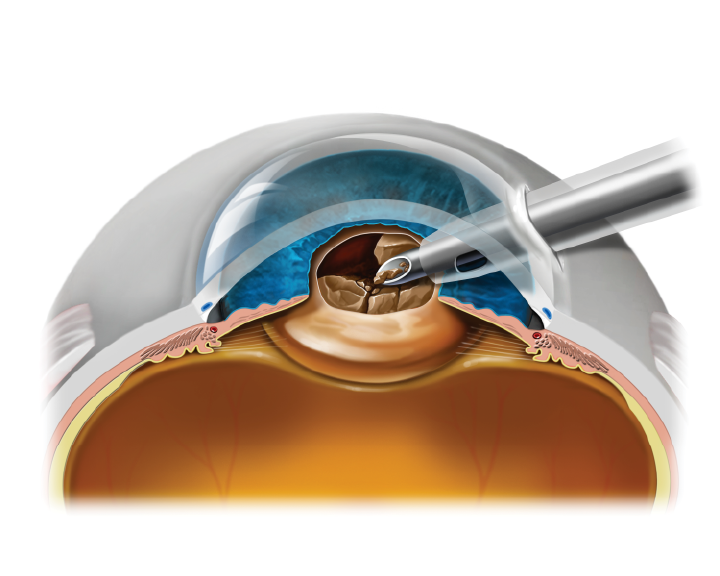
Step 1
At the beginning of the surgery, Drs. Stahl or Knowles will place a very small incision in your eye and carefully breakup and remove the cloudy cataract affected lens.
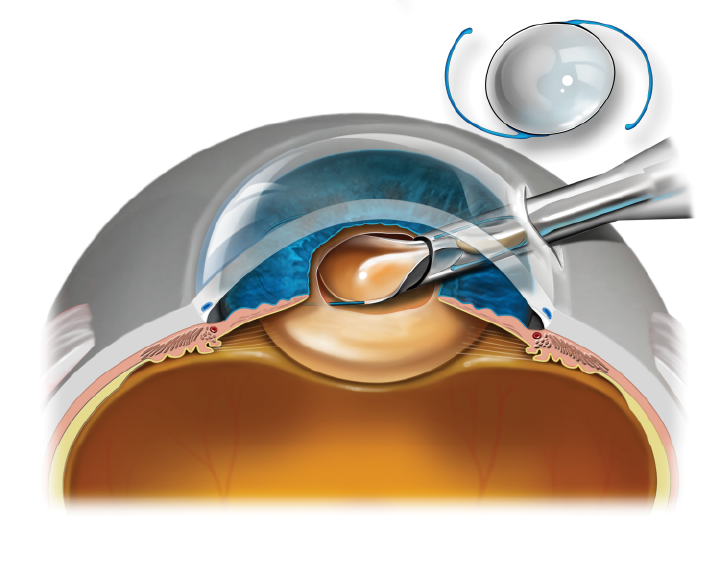
Step 2
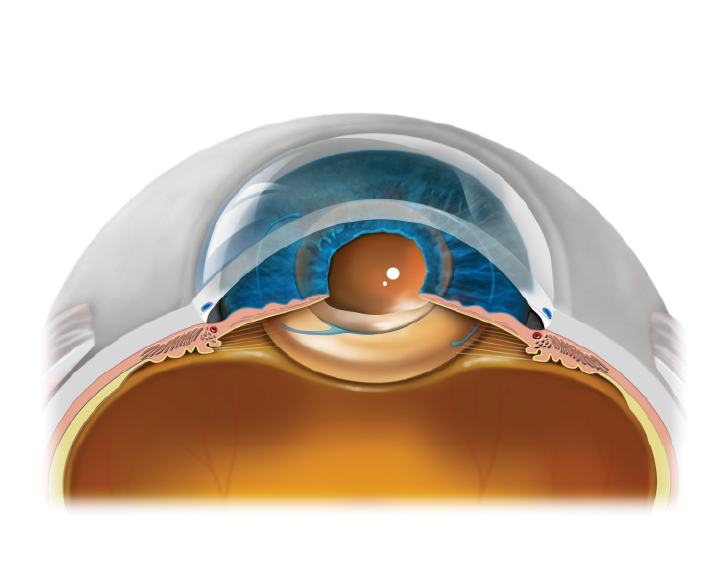
After cleaning and polishing the capsule inside your eye that holds the lens, a flexible foldable implant lens is placed into the capsule where the haptics or “arms” unfold and hold it into place. How you see for distance and near vision is dependent on the implant lens you choose for your surgery.
Step 3
With the cataract removed, and the implant lens in place, light can once again travel unimpeded into your eye for clearer vision. At the end of surgery antibiotics and ointment is placed in your eye and the eye is patched for a short while.
You can head home and take a nap after your cataract surgery, and start your eye drops that you will be using for a few weeks after as the eye heals. Most people are blurry for a day, but as the swelling from surgery recedes your vision will continue to improve.
Advanced Cataract Surgery Technique
Fortunately, advances in cataract surgery over the last few years have made eye surgery safer, easier and more beneficial than ever before. There are several techniques that are used to perform cataract surgery, and Drs. Brian Stahl & James Knowles are some of the region’s most experienced cataract surgeons. Here at Stahl Vision and Eye Laser and Surgery Center we use the latest in technology both for measuring you for your implant lens, as well as for removing your cataract. It is this attention to fine details and advanced procedures that has our patients seeing so well! Advanced cataract surgery allows us to correct your nearsightedness, farsightedness, and even astigmatism at the time of your cataract surgery. With Advanced Lifestyle or bifocal implants we can have you reading again without glasses! Not all doctors or facilities do cataract surgery the same. With the advanced procedures and techniques that Dr. Brian Stahl and Dr. James Knowles employ, you will be back on your feet and recovering in a day or two. No stitches, no shots, small incision, with a quick return to activities with improved vision!
Not all doctors or cataract surgery is the same, do your homework and choose a surgeon offering the latest advancements, best results, and most experience.
Choosing Your Implant for Cataract Surgery
The best way to determine which implant lens or intraocular lens you should choose is by coming in for a complete eye exam. Once our doctors have measured and examined your eyes, we can discuss your lifestyle and near vision needs and discuss the options: a Standard Monofocal implant lens, an Advanced Lifestyle Bifocal implant lens for better near vision, or a Toric implant lens to see distance more clearly without glasses. All of these choices have been approved by the FDA after years of testing, and have been used for many, many years. How you see for distance and near vision after your surgery depends on the implant lens you choose for your surgery.
Our best eye surgeons Dr. Brian Stahl and Dr. James Knowles specialize in Laser eye surgery: LASIK and PRK, Refractive Lens Exchange, and Cataract Surgery. Our Dayton Ohio eye center puts Stahl Vision, Laser Vision Correction of Dayton, and Eye Laser and Surgery Center all under one roof and puts the cost of LASIK and Advanced Cataract surgery within your reach. Please call Stahl Vision at 937.427.2020 to schedule an appointment to learn more about Cataracts or for a Cataract evaluation and complete eye examination.