

- HOME
- MEET STAHL VISION
- LASIK
- Understanding LASIK
- Advanced CustomVision LASIK
- LASIK for Astigmatism
- Top 10 LASIK Questions
- Am I a Candidate for LASIK
- Comparing LASIK Costs
- Pricing & Financing Options
- Current Special Offers
- PRK & Other Vision Correction
- LASIK Information Seminars
- Patient Forms
- Schedule a FREE Consultation
- LASIK Virtual Consultation
- Cataracts
- Eye Care Services
- Contact Us

Stahl Vision: Dayton's top LASIK and Cataract Surgeons for more than 30 years.
Stahl Vision
4235 Indian Ripple Rd, Dayton, OH
STAHL VISION CATARACT AND EYE LASER AND SURGERY CENTER
About Cataracts, Symptoms of Cataract and Signs of Cataracts
Stahl Vision Cataract Center – Get the Vision you Deserve!
If you are struggling with your vision you may already have the first symptoms of cataracts.
At a Glance: How do you know if you have cataracts in your eyes? The first symptoms of a cataract include: night-time glare from headlights, difficulty driving into the morning or evening sun, difficulty driving at night in the rain. Early signs you may developing a cataract include frequent changes in your glasses prescription, and feeling your last glasses change didn’t help. You can take our cataract quiz to find out if you already have cataracts starting (see above). More than 2 million people have Cataract Surgery each year in the United States. But thanks to advances in surgical procedures and technology, cataract surgery is not only is one of the most commonly performed procedures, it is also one of the safest. At Stahl Vision cataract surgery is done at our in-office surgery center as an outpatient procedure under local anesthesia in only a few hours. Cataracts are a natural part of the aging process, and if we all live long enough, we will all eventually need cataract surgery. There is no need to wait for the signs of cataracts to become severe, most people proceed with cataract surgery when the signs of the cataract become sufficient to bother them in their everyday life.
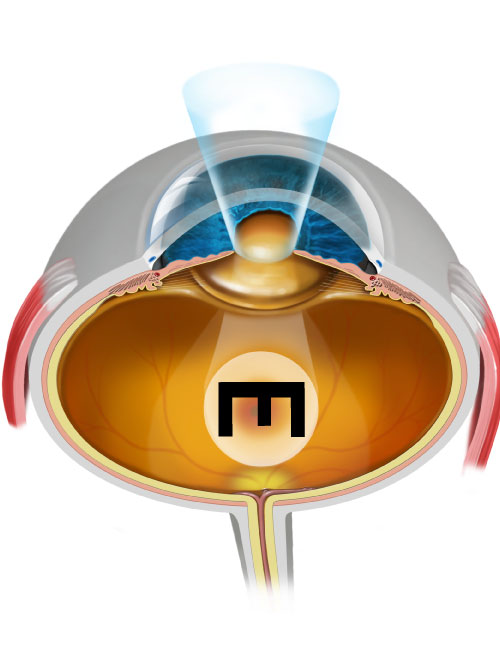
Clear Vision Before Cataracts
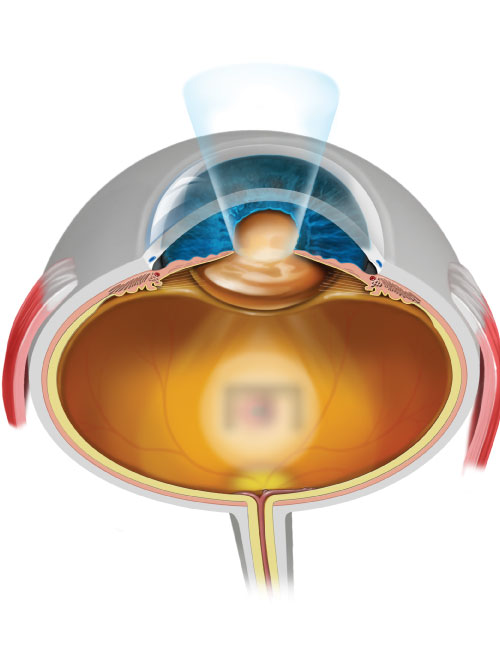
Cloudy Vision From Cataracts
Most often your eye doctor will see signs of cataracts starting to form before you notice vision changes. You may find yourself feeling you need a change in your glasses or find that the last change did not seem to help you see better. This is because it is not your glasses, it is the cataract causing your vision to blur. Frequently, the first symptoms of cataracts are glare with on-coming headlights or morning sunshine, difficultly driving at night, and blurry vision that does not improve with a change in glasses. Eventually these problems progress to the point where we consider cataract surgery to improve our vision. If you don’t have signs of cataracts or symptoms of cataracts, then you likely don’t need cataract surgery yet.
Before age 40 our lens is clear and flexible allowing us to focus on things at near. Even if you have had “good eyes” and “normal vision” all your life, your vision is likely to begin to change in a number of ways as we progress from our 40’s, to our 50’s and then our 60’s and beyond. The most obvious changes to our vision occur as a result of changes in the natural lens of the eye.
As we reach our mid-forties, everyone begins to experience the problem of our "arms becoming too short", and near vision begins to fade. This condition is called presbyopia and gets progressively worse as we age. Eventually, we start wearing bifocals or reading glasses, or if you are nearsighted, you begin to take our glasses off to read.
A second problem starts as we reach our fifties, about that time our lens starts to become slightly cloudy. Eventually this cloudiness progresses to the point where we don't see as well even with glasses. At this point, we call the cloudiness a cataract, and if we all live long enough, we will all develop cataracts. Cataracts are a natural part of the aging process.
For most of us, cataracts are part of the aging process. But certain conditions and medicines may cause or accelerate cataracts. Trauma, diabetes, and genetics sometimes causes cataracts to form at a younger age. For diabetic patients it is important to keep their blood sugar under good control to avoid accelerating cataracts. Prednisone (cortisone) that patients might take for asthma, arthritis, or autoimmune diseases can also cause a particular type of cataract to form at an early age.
Often patients will ask if they can prevent cataracts. Antioxidants in the form of vitamins with minerals and eating more fruits and vegetables may slow cataract progression. Health studies done on both nurses and doctors have found that people taking more antioxidants had a later onset, and slower progression of cataracts. Wearing sunglasses and avoiding excess ultraviolet light may also slow cataract progression, but the evidence for this is less clear. Keeping blood sugar under good control and eating a low-fat diet may also help.
5 Reasons to Choose Stahl Vision for Cataract Surgery
Considering Cataract Surgery?
If you are having trouble with your vision and considering cataract surgery, then your first step is to schedule an exam with Drs. Stahl and Knowles at Stahl Vision. During your visit to Stahl Vision we will perform a thorough eye examination, discuss where you are having problems, discuss the symptoms of cataract that you have, look for signs of cataracts in your eyes, and help plan your cataract surgery. We will also review the everyday activities that are most important to you, discuss with you whether being independent of glasses for those activities is something that you would like to achieve. With Advanced Implant Lens Technology, we can now help you see distance and near, as well as fix astigmatism so you are seeing your very best without your glasses and contacts.
Our best eye surgeons Dr. Brian Stahl and Dr. James Knowles specialize in Laser eye surgery: LASIK plus PRK, Refractive Lens Exchange, and Cataract Surgery. Our Dayton Ohio eye center puts Stahl Vision, Laser Vision Correction of Dayton, and Eye Laser and Surgery Center all under one roof and puts the cost of LASIK and Advanced Cataract surgery within your reach. Please call Stahl Vision at 937.427.2020 to schedule an appointment to learn more about Cataracts or for a Cataract evaluation and complete eye examination.

Read Our Most Recent Five Star Reviews